NavioBuilding a domestic, sanctions-resilient HMI platform and ecosystem tools
Context and role
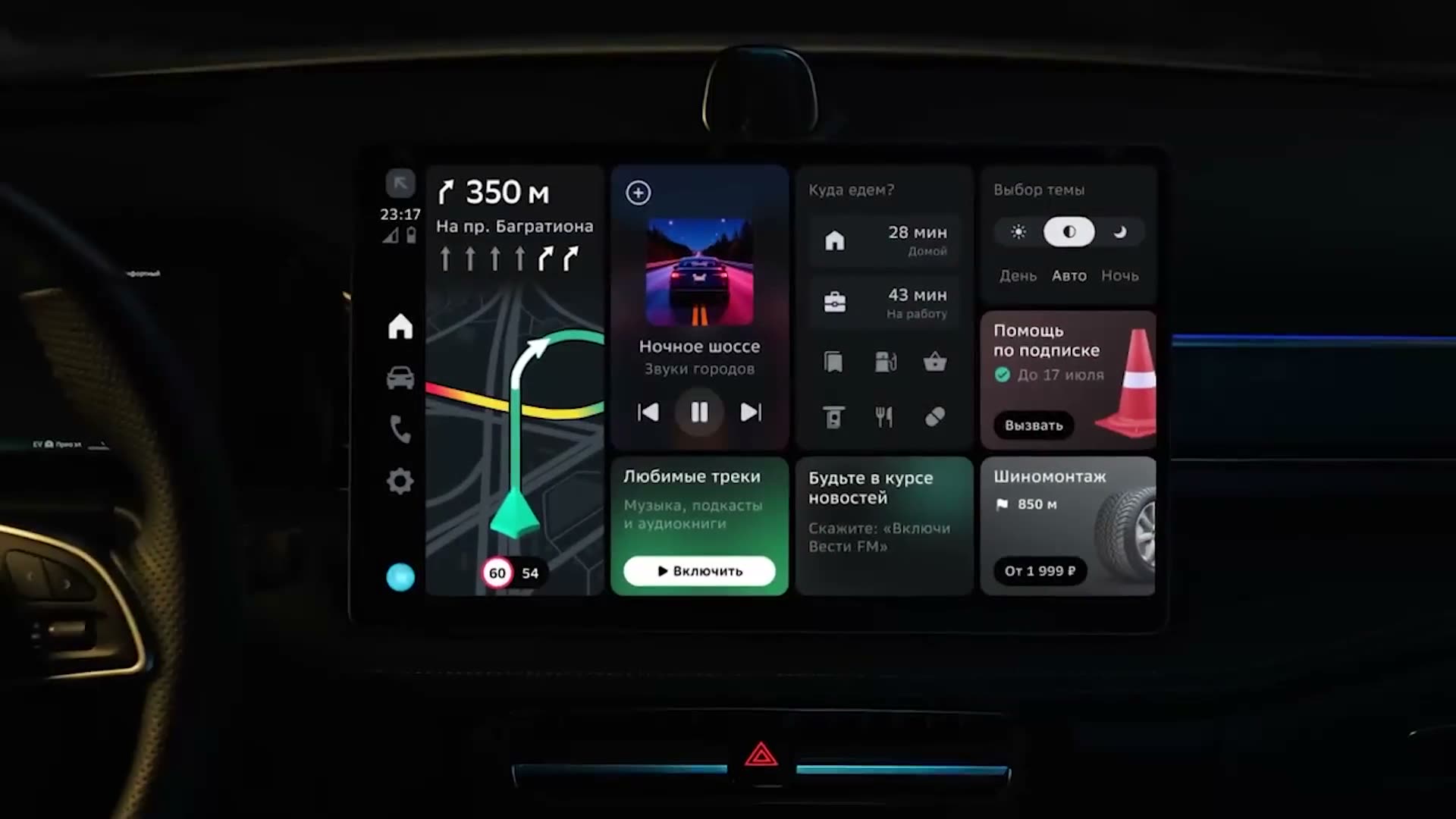
Navio is an HMI/IVI ecosystem for production vehicles in Russia. A single product brought together media, navigation, numerous head-unit journeys, and fleet-management tools. I worked as DesignOps Manager and Principal Product Designer. I designed core interface surfaces, defined state logic, evolved the component architecture, and helped the team turn technical constraints into testable user journeys. This is an abridged case study; message me on Telegram to request the full version.
Request full caseProblem
Head-unit interfaces and other in-car surfaces operate under many constraints. Drivers have little time to interact; the screen sits inside a physical cabin alongside the steering wheel, road, passengers, and sensors, and everything must work while the vehicle is moving. The same solution must adapt to different display sizes, reflect vehicle state, and remain accessible. My scope included journeys where design directly affected safety and development cost: climate controls, system overlays, adaptive grids, widget behaviour, and validation on test benches before engineering handoff.
Results
I designed a scalable widget architecture and responsive HMI behaviour for different vehicle displays. I also worked on system overlays and journeys where people must quickly understand vehicle state or act without unnecessary distraction, with particular attention to climate ergonomics and quick actions. Early tests on benches and in real cabins exposed problems before solutions reached a build. This saved several hundred engineering hours, reduced late rework, and made delivery more predictable. Feature Time-to-Market fell by 29%, Design Lead Time by 42%, and engineering Reject Rate to <2%.